
Destination Guides
The Amalfi Coast: A Considered Guide
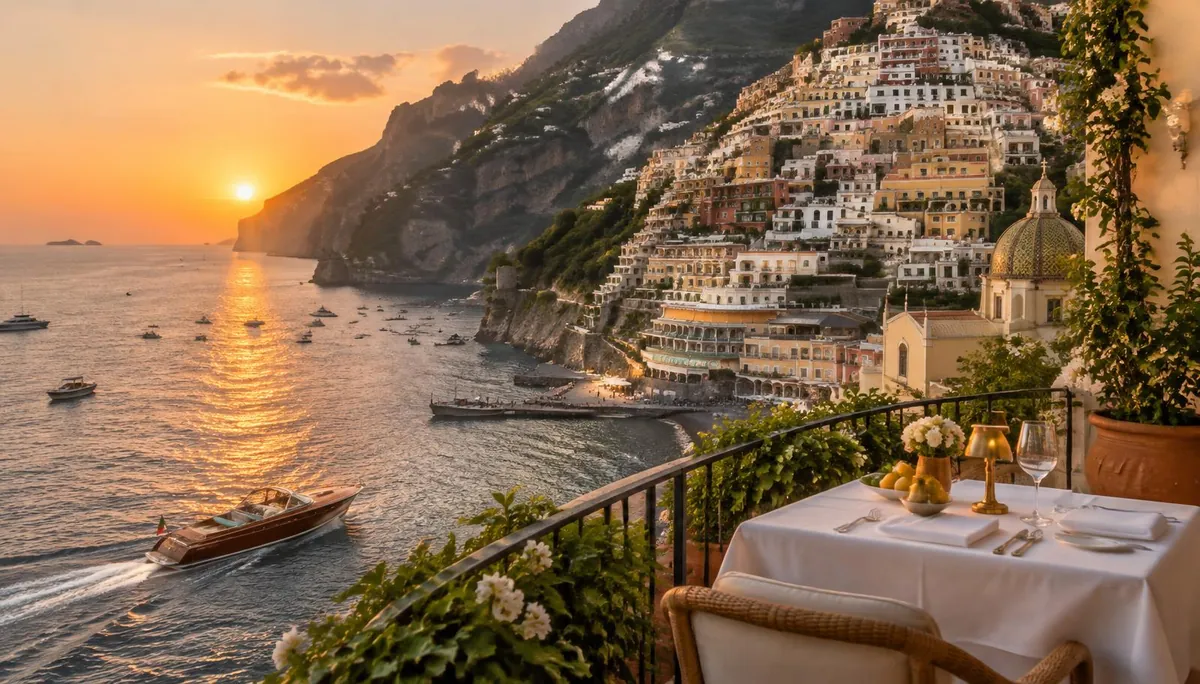
The Amalfi Coast is small, vertical, and famously congested in high season. Seen properly — by water, and slightly out of season — it remains one of the most beautiful stretches of coastline in Europe. The danger is not the place itself but the pace at which most people attempt it: a different town each day, long lunches sacrificed to transfers, and the best views glimpsed from a stationary coach. A slower approach reveals a coast that has changed remarkably little since the first grand tourists arrived by sea.
When to go
Late May and September offer warm water, open restaurants, and roads that still move. July and August bring heat and crowds in equal measure; October is quieter but many properties begin to close. The sweet spot for repeat visitors is often the second half of September, when the sea is at its warmest and the light turns golden in the late afternoon.
Spring arrives early here. By mid-April, lemon groves are fragrant and wildflowers cover the hillsides, though the water may still be too cool for long swims. Easter week is busy with domestic travellers, so plan around it if you prefer calm.
Winter is not the obvious choice, but it has its own character. Positano and Amalfi feel like villages again. Many hotels close, yet those that remain open offer extraordinary value and a front-row seat to stormy seas and empty streets. It is the coast at its most honest.
Where to base yourself
Ravello sits above the noise and suits travelers who want gardens, music, and long views. It is not on the water, which is precisely why it feels removed from the coastal chaos. The town is compact, walkable, and centred on two extraordinary villas: Cimbrone and Rufolo. Evenings are quiet, and the altitude brings cooler nights in summer.
Positano is dramatic and social, with the trade-off of stairs in every direction. It is the postcard come to life, and it delivers on that promise — especially at dusk, when the houses seem to glow from within. Base here if you want to step out of your hotel and into the scene.
Praiano is the compromise many repeat visitors settle on: central, calmer, and well-priced by comparison. It has excellent restaurants, direct water access, and a more local rhythm. Minori and Maiori offer broader beaches and a less theatrical daily life, ideal for families or longer stays.
For those who value privacy above all, a villa between the towns — reached by a private driver or boat — offers the best of both worlds: seclusion by night and easy access to restaurants and excursions by day.
Move by boat
A private transfer by sea turns a ninety-minute coastal drive into a thirty-minute passage with a swim stop. It is the single change that most improves a week on this coast. The road is scenic but punishing; the water is the way the coast was meant to be experienced.
Boats also unlock places the road cannot reach: small coves, beach clubs tucked beneath cliffs, fishing villages where lunch is served at tables set directly on the stones. Your captain becomes a guide, reading the wind and the crowds and adjusting the day accordingly.
If a full day charter feels like too much, even a single transfer — say, from Positano to Capri or Amalfi — transforms the mood of the trip. Book morning departures when the sea is calmer and the light is at its best.
- Capri as a half-day by boat, arriving before the ferries
- A morning swim at the Li Galli islands
- Dinner in a fishing village reachable only from the water
- A sunset aperitivo anchored off Praiano
Eating well, without the theatre
The coast has no shortage of restaurants with views, but the best meals are often in simpler places: a family trattoria in Atrani, a seafood grill in Cetara, a lemon-scented garden in Minori. Ask your advisor for the current favourites, because ownership and chefs change quickly.
Lunch is the main event. A long midday meal followed by a swim is the local rhythm, and adopting it makes the trip feel less like sightseeing and more like living. Dinner tends to be lighter and later.
Do not overlook the interior. The villages above the coast — Scala, Tramonti, Furore — produce wine and cheese and cured meats that rival anything on the water, often at a fraction of the price and with none of the crowds.
A final note on planning
The Amalfi Coast rewards a loose itinerary. Leave room for the day that unfolds unexpectedly: a boat captain suggesting a different cove, a restaurant owner pointing you toward a family vineyard, the realisation that the best view is from your own terrace. Over-scheduling is the only real mistake.