
Destination Guides
Kyoto in the Shoulder Season
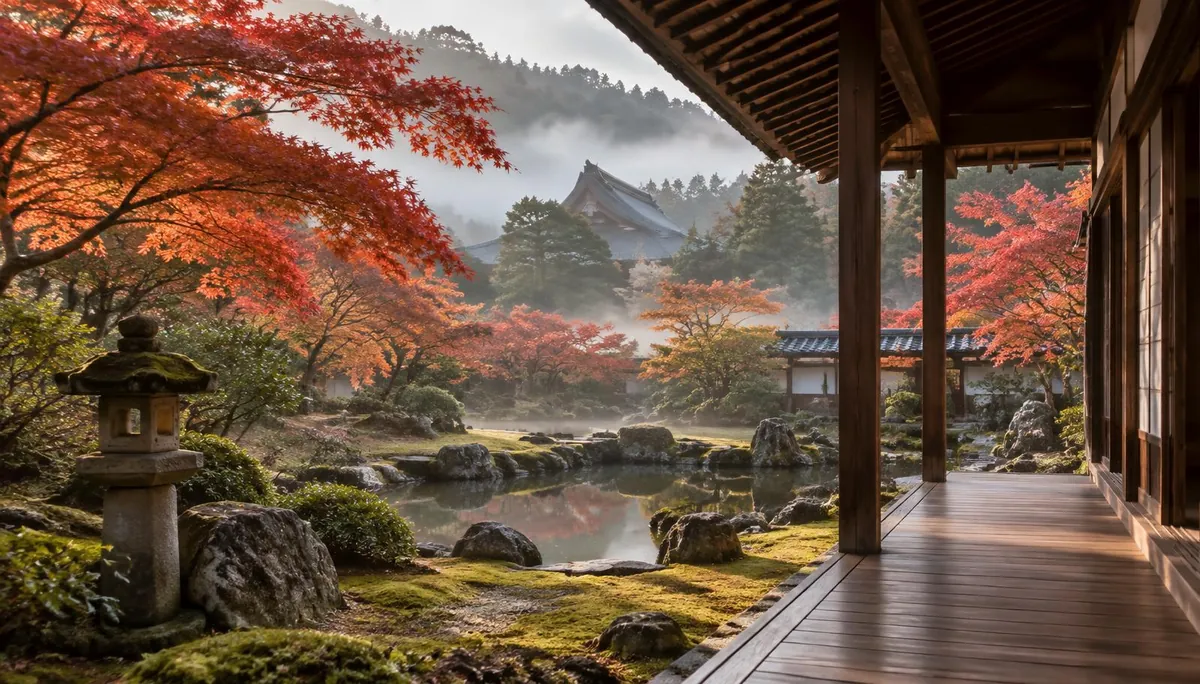
Kyoto rewards early mornings and patient planning. Visit in the quieter weeks and the city returns to something close to its own pace. The famous sites are still beautiful in peak season, but the experience of them changes when shared with thousands of others. In the shoulder months, you can hear the gravel underfoot in a temple garden, sit alone in a tearoom, and walk the philosopher’s path without dodging selfie sticks.
Timing the visit
The cherry blossom and autumn maple windows are extraordinary and impossibly busy. Early December and late January offer clear light, open reservations, and temples you may briefly have to yourself. February brings plum blossoms and the first hints of spring, while June, despite the rain, turns the moss gardens an almost luminous green.
The rainy season, roughly mid-June to mid-July, discourages many visitors but rewards those who come prepared. A light rain empties the streets and deepens the colours of the gardens. Good waterproofs and a flexible attitude are enough.
Avoid Golden Week and Obon unless you specifically want to witness Japanese holiday culture. Accommodation is scarce, transport is crowded, and many restaurants close. If you must travel then, book six months ahead.
Reservations to secure early
The most memorable dinners in Kyoto are booked months ahead, often only through an introduction. Tea ceremonies, private garden viewings, and morning temple access follow the same rhythm. A great advisor is invaluable here, not just for language but for relationships.
Kaiseki restaurants are the headline act. Many seat only a handful of guests per seating, and the best ones do not accept walk-ins. Plan three months ahead at minimum; six is safer for the most sought-after houses.
Private access to temples and gardens before public opening hours is one of the most meaningful upgrades available. Standing in a moss garden as mist rises, with only a monk for company, is the kind of memory that defines a trip.
- Kaiseki dinners — three months ahead where possible
- Private garden or temple access before opening hours
- A guided walk through Nishiki market on arrival day
- Tea ceremony with a master practitioner
- A geiko or maiko performance in a private ochaya
Structuring your days
Group sights by district — Higashiyama, Arashiyama, northern Kyoto — and see one district per day. The city is compact but its traffic is not, and the walking between temples is half the pleasure. Trying to crisscross the city in a single day wastes time and energy.
Start early. The light is softer, the air cooler, and the crowds thinner. Many of the most photographed streets in Higashiyama are peaceful before 8 a.m. and crowded by 10. A dawn visit to Fushimi Inari is an entirely different experience from a midday one.
Build in downtime. Kyoto is not a city to be conquered. A long lunch, an hour in a sento or hotel onsen, an afternoon nap — these are not wasted hours but necessary ones. The best travellers here move slowly and return often.
Seasonal awareness
Kyoto is a city of small seasonal rituals. In spring, the blossom forecast is tracked like weather. In summer, evenings bring river terraces and fireflies. Autumn is a procession of colour moving southward through the mountains. Winter has plum blossoms, quiet temples, and the occasional snowfall that turns the city monochrome.
Let the season shape the itinerary. A summer evening might include a kawayuka dinner platform over the Kamo River; a winter afternoon calls for hot sake and grilled mochi near a temple. These details matter more than checking famous names off a list.
Where to stay
Traditional ryokan offer the most immersive experience: tatami rooms, kaiseki dinners, and morning baths. They are not for everyone — beds are futons, baths are shared in some properties, and the formality can feel intense — but for those who embrace them, they are unforgettable.
Modern luxury hotels provide consistency, excellent service, and often beautiful design. Boutique guesthouses offer a middle path: personal attention with fewer rules. The right choice depends on how much structure you want and how many nights you plan to stay.