
Destination Guides
A First Safari, Planned Properly
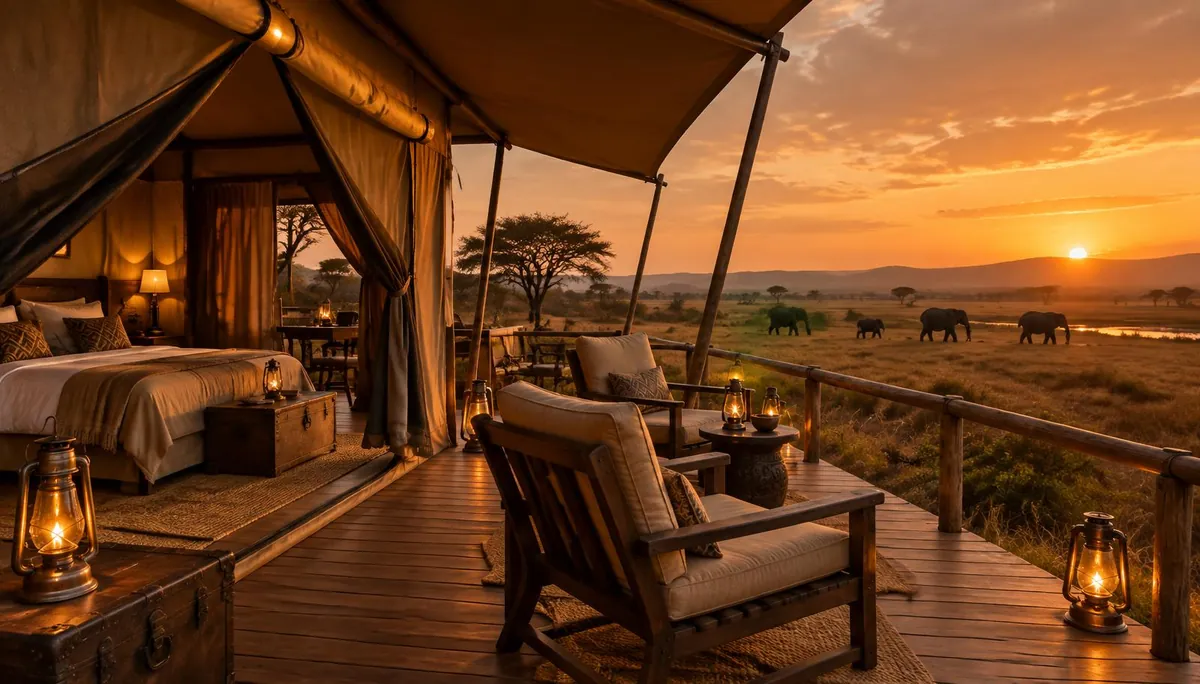
Safari is the trip most often over-scheduled. Fewer camps, longer stays, and the right season will do more for the experience than any upgrade. The first-timer’s instinct is to see as much as possible: multiple countries, many camps, every famous sighting. The result is usually exhaustion, dust, and a blur of landscapes that merge together. The best first safaris are deliberate. They choose depth over breadth and let the rhythm of the bush take over.
Season before destination
Wildlife viewing follows water. Dry months concentrate animals around rivers and waterholes and make sightings far more reliable, regardless of which reserve you choose. In southern Africa, the winter dry season from May to October is generally the best for game viewing. In East Africa, the long dry season from June to October coincides with the wildebeest migration, though the exact timing shifts with the rains.
The green season has its own rewards. Landscapes are lush, birdlife is extraordinary, prices are lower, and many camps are nearly empty. The trade-off is that animals are more dispersed and the roads can be challenging after rain.
Avoid planning around a single sighting. Migration crossings, predator kills, and rhino encounters cannot be guaranteed. A good safari is built on the overall quality of guiding, habitat, and season — not on a checklist.
Two camps, not four
Each move costs half a day in transfers and light aircraft. Three nights per camp across two contrasting habitats gives more variety and less exhaustion than a camp a night. The first stay lets you settle in; the second lets you feel like you belong.
Choose habitats that complement each other. An open-grassland camp may deliver predator action, while a riverine or forested camp offers elephants, birds, and a different quality of light. The contrast makes both places more memorable.
Build in a rest day before the long flight home. A night in a city hotel or a lodge near the airport allows you to wash the dust off, sort photographs, and return home human rather than frazzled.
- One open-plains camp for predator viewing
- One water-based or forest camp for contrast
- A rest day built in before the long flight home
- Three to four nights per camp minimum
- One guided walk or night drive if the reserve allows
What to bring
Neutral layers, a warm jacket for dawn drives, binoculars per person rather than shared, and soft luggage — light aircraft rarely accept hard cases. The colour palette matters: greens, khakis, and tans blend into the bush and do not attract insects the way dark blue or black can.
Mornings are cold, even in warm seasons. A fleece, a windproof layer, and a beanie make the 5 a.m. departure bearable. By mid-morning, you will be in short sleeves. Dressing in layers is the only strategy that works.
Footwear should be comfortable for short walks and stable on uneven ground. Heavy hiking boots are usually overkill; lightweight trail shoes or safari boots are better.
Photography gear depends on interest, but a decent zoom lens transforms the experience. Many phones now shoot well enough for social sharing, but a dedicated camera with reach is worth bringing if wildlife photography matters to you.
The role of the guide
A great guide is more important than a great camp. They read tracks, interpret behaviour, manage expectations, and create the narrative of the day. Ask your advisor about guide quality when choosing camps, not just about thread counts.
Trust the guide’s pacing. Some drives are quiet by design — a chance to absorb the landscape, study birds, or simply be still. The best sightings often come after long periods of watching and waiting.
Ask questions. Guides love engaged guests, and the stories behind conservation, community projects, and animal histories add layers to what you see.
Conservation and community
Not all safaris support conservation equally. Privately managed conservancies often channel more revenue into local communities and wildlife protection than heavily trafficked public parks. Ask where your money goes.
Respect the rules. Staying in the vehicle, keeping voices low, and not pressuring guides to get closer protect both the animals and the quality of the experience for everyone.
A meaningful safari leaves you with more than photographs. It leaves you with an understanding of why these places matter and what it takes to keep them wild.